Wired Wisely
Clocks Fall Back Nov. 1: 6 Smart Home Fixes for Darker Evenings and Better Sleep
We may earn a commission from links on this page, at no cost to you. How we make money.
Quick answer
- When: daylight saving time ends Sunday, Nov. 1, 2026, at 2 a.m. Clocks go back one hour.
- Sleep: sleep experts suggest shifting bedtime 15–20 minutes later for a few nights beforehand, and keeping lights low until your wake time.
- Best cheap upgrades: a sunrise alarm clock, smart bulbs on a schedule, and smart plugs for lamps.
- Safety: never plug a space heater into a smart plug or power strip. Plug it straight into the wall.
Every pick below is available at Best Buy, Walmart or Target. Prices move a lot before Black Friday, so each one says “check price.”
First: what actually changes
In most of the U.S., clocks fall back from 2 a.m. to 1 a.m. on Sunday, Nov. 1. (NIST, timeanddate) Hawaii and most of Arizona don’t change. (AASM Sleep Education)
The extra hour sounds nice, but your body clock still needs a few days to catch up, and it gets dark around dinnertime.
Tips from the American Academy of Sleep Medicine: (AASM)
- Aim for at least 7 hours of sleep (8 for teens) before and after the change.
- Shift bed and wake times 15–20 minutes later each night for a few nights before.
- Already short on sleep? Skip the shifting and just enjoy the extra hour.
- In the fall, keep light low until your target wake time.
The tech below makes those tips automatic.
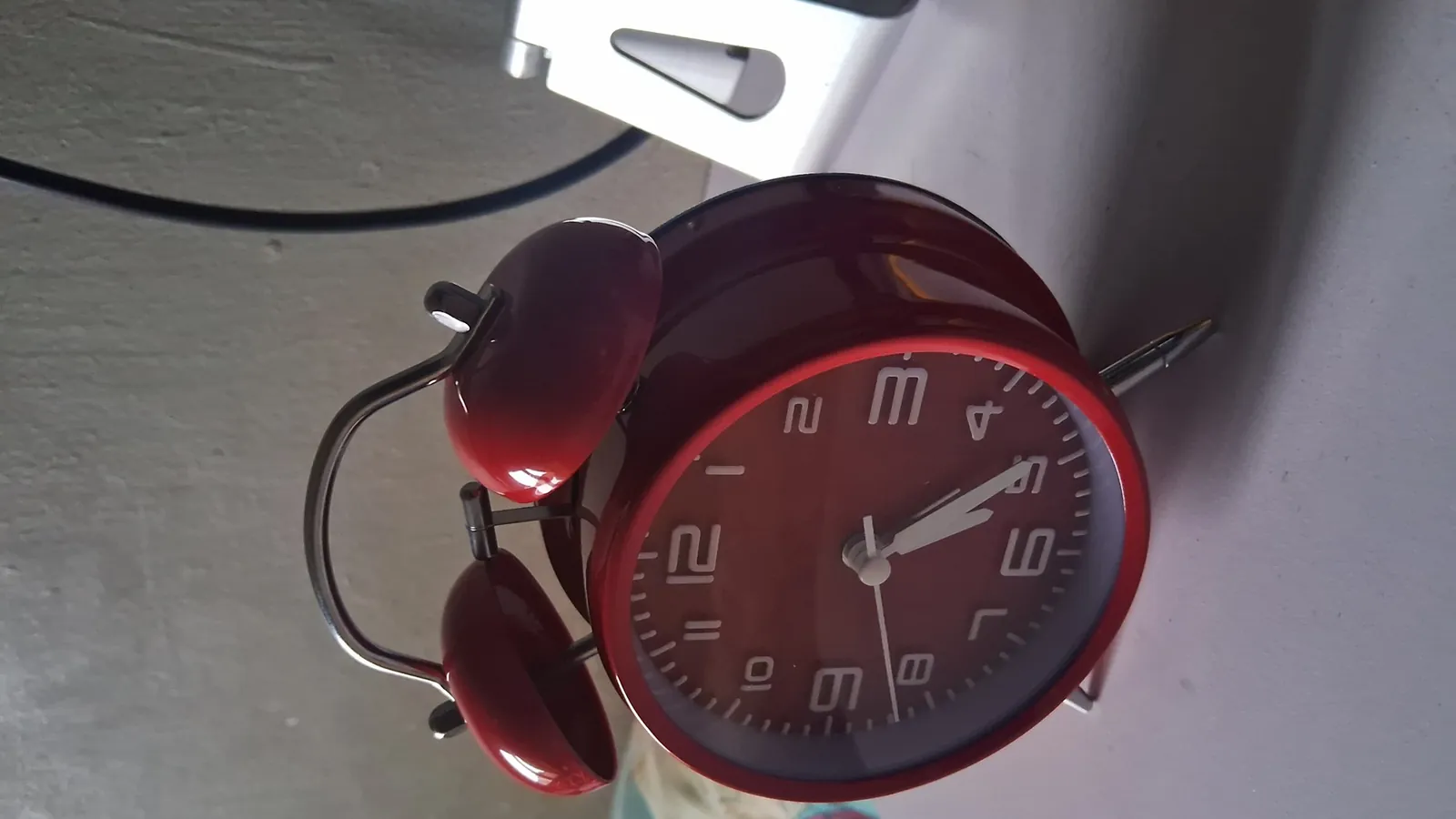
1. A sunrise alarm clock (wake-up light)
Instead of a blaring alarm in a pitch-black room, it slowly brightens before your alarm goes off. It’s a gentle fit for darker mornings, and it keeps light low until you want to be up.
Look for: a 20–30 minute fade, a sunset mode for bedtime, and a dim, warm night light.
- Hatch Restore or Philips SmartSleep wake-up light: check price → [AFFILIATE LINK PLACEHOLDER]
2. Smart bulbs on a schedule
Set bedroom lights to dim and warm up in the evening and stay off until wake time. Most apps let you shift the whole routine 15 minutes at a time, which matches the AASM tip.
Look for: “tunable white” (warm to cool), and whether you need a hub. Many newer bulbs work straight over Wi-Fi, Bluetooth or Matter.
- Philips Hue White Ambiance (premium) or Wyze Bulb Color (budget): check price → [AFFILIATE LINK PLACEHOLDER]
3. Smart plugs for lamps
The cheapest smart home upgrade there is. Plug in a lamp you already own and it turns on at sunset, which is suddenly an hour earlier. Many apps have a “sunset” trigger, so you never need to adjust it.
Look for: a sunset/sunrise schedule, an “away” mode that turns lights on and off at random, and Matter support for the most flexibility.
- TP-Link Kasa or TP-Link Tapo mini smart plugs (often sold in multi-packs): check price → [AFFILIATE LINK PLACEHOLDER]
⚠️ Not for heaters. CPSC says to plug electric space heaters directly into a wall outlet, never into an extension cord or power strip. (CPSC) We treat smart plugs the same way. Use them for lamps, string lights and fans.
4. A smart thermostat schedule for cold mornings
If your thermostat runs on a schedule, check it after the clocks change. Most smart thermostats update automatically, but older ones may now warm the house an hour off.
Look for: automatic time sync, an app schedule, and geofencing (it lowers the heat when everyone leaves).
- Google Nest Thermostat or ecobee: check price → [AFFILIATE LINK PLACEHOLDER]
Check with your utility first. Many offer rebates on smart thermostats.
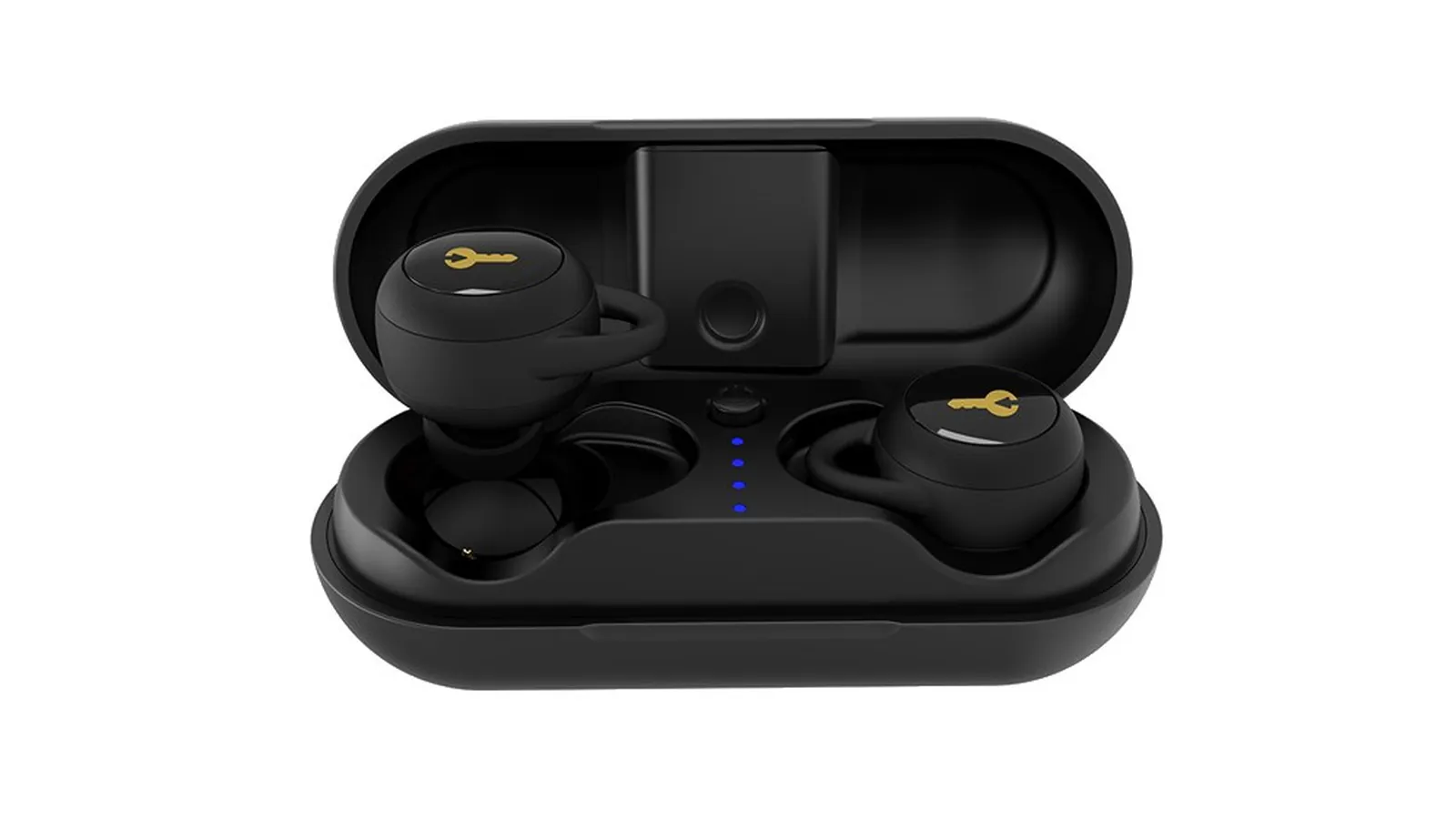
5. A white noise machine or sleep headphones
Darker evenings mean more time indoors and more noise at bedtime. Steady sound can make it easier to fall asleep on a new schedule.
Look for: real fan or noise sounds (not short loops), a timer, and no bright display. For sleep earbuds, pick ones made for side sleepers.
- A white noise machine such as Yogasleep Dohm: check price → [AFFILIATE LINK PLACEHOLDER]
6. Smoke and CO alarms (the fall-back habit)
“Change your clocks, check your alarms” is a classic for a reason. Heating season is starting, and CPSC recommends: (CPSC)
- Smoke alarms on every level and in every bedroom. CO alarms on every level and outside sleeping areas.
- Test monthly. Replace batteries at least once a year, or get alarms with sealed 10-year batteries.
- Interconnected alarms are best, so when one sounds, they all sound.
Upgrade option: smart smoke and CO alarms send an alert to your phone when you’re away.
- First Alert combo smoke/CO alarm with a 10-year battery: check price → [AFFILIATE LINK PLACEHOLDER]
Space heater safety, quickly
CPSC estimates portable heaters are involved in about 1,600 fires a year. (CPSC)
- Keep heaters 3 feet from curtains, bedding and furniture.
- Wall outlet only. No power strips, extension cords or smart plugs.
- Turn it off when you go to sleep.
- Check for recalls at cpsc.gov/recalls.
Fall-back checklist
- ☐ Bedtime shifted 15–20 minutes later for a few nights (unless you’re short on sleep)
- ☐ Wake-up light or smart bulb routine set
- ☐ Lamps on smart plugs with a sunset schedule
- ☐ Thermostat schedule checked on Nov. 1
- ☐ Smoke and CO alarms tested
- ☐ Space heaters plugged straight into the wall
Health tips here are general information, not medical advice. If you have ongoing sleep trouble, talk to a doctor.
More smart lighting ideas: Best Govee Lights for 2026.
FAQ
What does the Clocks Fall Back Nov. 1: 6 Smart Home Fixes for Darker Evenings and Better Sleep guide recommend?
Daylight saving time ends Nov. 1, 2026. Six simple smart home and sleep tech fixes, from wake-up lights to smart plugs, plus safety tips for heating season.
How do I know a deal on these is real?
Compare the price with what the item has actually sold for recently, not the list price, and buy from Amazon or the brand's official store.
Photo credits: Red Desk Bedroom Analog Clock by Danielrayyan09, BY 4.0; Smartphone in Hand (Unsplash) by NeONBRAND neonbrand, CC0 1.0; Xbox 360 FF XIII Special Ed. bundle price tag at Target, Tan by BrokenSphere, BY-SA 3.0; NEW HighKey Wireless Earbuds by Trent Huss, BY-SA 4.0 (via Wikimedia Commons).